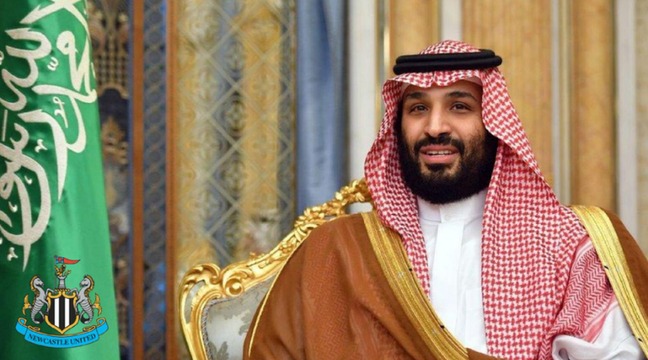

On 7 October 2021, Newcastle United changed hands for £305 million ($415 million), completing an 18-month takeover process that began in April 2020.
The Public Investment Fund (PIF) secured an 80% stake (later increased to 85%), with PCP Capital Partners and the Reuben Brothers each holding 10% (the Reuben Brothers haven increased their stake to 15%).
After 14 years under Mike Ashley, a period fans described as systematic neglect, the club arrived at a crossroads. The new Saudi-backed ownership immediately signalled ambition far beyond mere Premier League survival, framing Newcastle’s recruitment strategy as the foundation of a long-term project to reclaim the club’s status among English football’s elite.
Newcastle United’s transformation
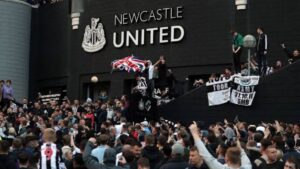
The cultural shift inside St James’ Park became visible within weeks. Sports Direct branding disappeared from the stadium, symbolising the clean break from the Ashley era. On 8 November 2021, Eddie Howe was appointed manager, the first significant recruitment decision of the new ownership. Fans following the Premier League odds and performance data on UK betting sites for football compared by Betiton immediately noted the ambition this appointment signalled.
Recent managerial and structural appointments
Replacing Steve Bruce with Eddie Howe sent an unambiguous message. Lee Charnley departed on 19 November 2021 after a six-week handover, removing the final element of Mike Ashley’s hierarchy. Dan Ashworth arrived as technical director on June 6th, 2022, establishing a proper recruitment framework where none had existed. His role created the infrastructure for a coherent transfer strategy rooted in performance data rather than short-term panic buying.
What the Fans Expect in this New Era
97% of Newcastle United Supporters Trust members supported the takeover, with a follow-up survey showing 94% approval. These figures created genuine pressure on the ownership to deliver through recruitment. Supporters who had endured years of underinvestment demanded tangible progress quickly, and that emotional weight shaped the urgency of every subsequent transfer window decision.
The Saudi PIF investment and timeline
The consortium structure placed PIF at the centre, controlling the financing from the outset. The takeover process started in April 2020 and concluded on 7 October 2021, with one critical catalyst unlocking the final stages. On 6 October 2021, Saudi Arabia lifted its four-year ban on beIN Sports, the Qatar-based broadcaster holding exclusive Premier League broadcasting rights across the Middle East and North Africa. Without that resolution, the deal would not have crossed the line.
The regulatory journey and key milestones
The Premier League’s Owners’ and Directors’ Test created the central obstacle. The league questioned the legal separation between PIF and the Saudi government, and the consortium provided legally binding assurances to address this concern. St James Holdings filed a case with the Competition Appeal Tribunal on 22 April 2021, with Daniel Jowell QC alleging the Premier League had abused its position after being improperly influenced by rival clubs and beIN Sports. The jurisdiction hearing took place on 29 September 2021, presided over by Mr Justice Miles, and drew 33,000 livestream viewers from over 50 countries. On 12 October 2021, an emergency meeting of the other 19 Premier League clubs expressed fury at the takeover’s ratification.
| Date | Key event |
|---|---|
| April 2020 | Takeover process begins |
| 30 July 2020 | Consortium temporarily withdraws |
| March 2021 | Competition Appeal Tribunal case filed |
| 29 September 2021 | CAT jurisdiction hearing |
| 6 October 2021 | beIN Sports ban lifted by Saudi Arabia |
| 7 October 2021 | Takeover completed for £305 million |
| 8 November 2021 | Eddie Howe appointed manager |
| May 2022 | Dan Ashworth appointed technical director |
| November 2025 | Premier League clubs vote to tighten financial controls |
What to Know About PIF’s broader investment ambitions
PIF planned $30 billion in direct UK investment between 2018 and 2028, entirely separate from the Newcastle takeover. That scale of financial commitment gave credibility to every recruitment promise the new ownership made. Agents, selling clubs, and players understood that the financing behind Newcastle’s transfer ambitions was neither speculative nor short-term.
Key players signed under Saudi ownership
The first transfer windows under PIF control marked a deliberate shift from reactive budget shopping to targeted acquisition. As of October 2021, Newcastle United were second from bottom, recording three draws and four losses from their opening games. That position demanded immediate action, but the ownership simultaneously insisted on building for the long term rather than simply papering over structural problems.
January 2022 emergency signings
The January 2022 window was Newcastle’s first real statement of intent. The Saudi-backed consortium authorised significant spending across multiple positions to secure Premier League survival, demonstrating decisive action when it mattered most. These early acquisitions confirmed that the new ownership would not flinch when investment was urgently needed, setting the standard for every subsequent window.
- Immediate spend authorised to address Premier League relegation threat
- Multiple positions reinforced simultaneously rather than incrementally
- Signings reflected Eddie Howe’s specific tactical requirements
- Investment demonstrated ownership commitment beyond words
Building quality through subsequent windows
Recruitment evolved quickly beyond emergency measures. The 2022 and 2023 windows brought proven Premier League performers alongside younger international talent, reflecting a dual strategy of immediate competitiveness and long-term squad development. Every signing connected to Eddie Howe’s tactical identity rather than appearing as isolated, disconnected purchases.
- Proven Premier League performers prioritised to reduce adaptation risk
- Younger international profiles targeted for long-term squad depth
- Tactical coherence under Howe guided every position’s requirements
- Academy pipeline investment ran alongside senior recruitment activity
Comparing Newcastle’s strategy to other clubs
Comparisons with Manchester City’s Abu Dhabi ownership and Paris Saint-Germain’s Qatari backing are inevitable. Newcastle’s starting position was arguably weaker than either of those clubs at their respective ownership transitions, making the recruitment challenge more complex. The Premier League’s regulatory environment added further constraints that neither City nor PSG faced in their formative years under state backing.
Lessons from Manchester City and PSG’s ownership models
Manchester City required several years of heavy investment before genuine title contention arrived. PSG’s Qatari transformation brought immediate spending but exposed vulnerabilities in squad cohesion. Both clubs faced UEFA financial fair play battles. Newcastle’s ownership appears to be absorbing those lessons, building more gradually rather than attempting an overnight transformation through unchecked expenditure.
Future recruitment plans and ambitions
Amanda Staveley, during her time, stated her intention to instil a united philosophy and achieve major long-term success. Yasir Al-Rumayyan declared pride in owning one of English football’s most famous clubs. These statements translate into specific priorities: Champions League qualification, infrastructure transformation at the training ground, and a recruitment model capable of attracting elite talent consistently.
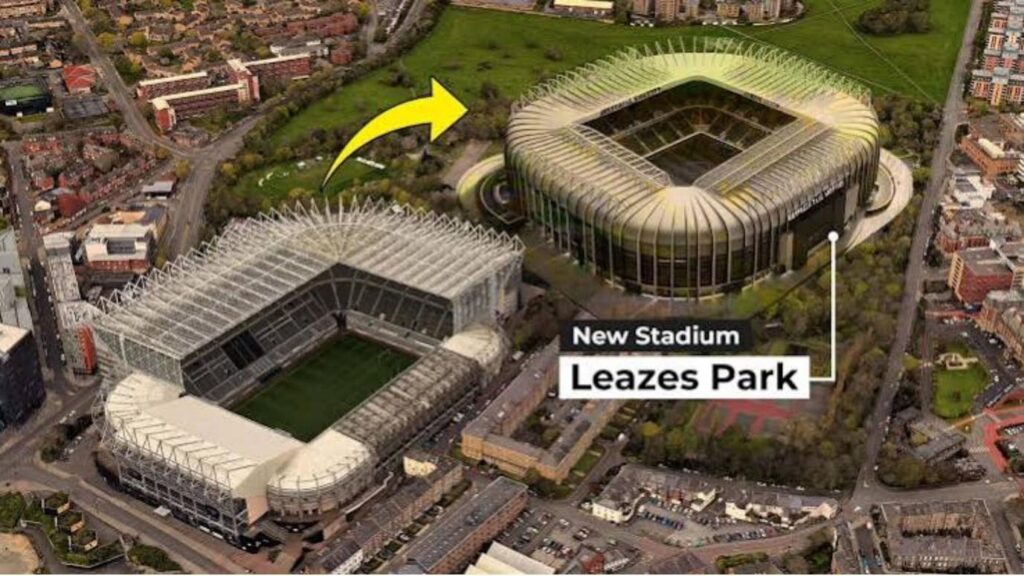
Targeting Champions League qualification and beyond
Champions League football unlocks a fundamentally different recruitment pool. Players who would not currently consider St James’ Park become genuine targets once European nights arrive. Commercial revenues increase substantially, funding higher wages and transfer fees. The ownership understands this clearly, and every recruitment decision since October 2021 has been framed against this ambition, not just the immediate Premier League table position.
- Champions League qualification expands the accessible player pool dramatically
- European competition revenues fund structurally higher wage offers
- Global brand recognition grows with sustained continental participation
- Rival clubs perceive Newcastle as a genuine long-term competitor
What to Expect from Newcastle United Going Forward
Newcastle travelled from second from bottom in October 2021 to a project backed by one of the world’s most powerful sovereign wealth funds. The recruitment strategy rests on four pillars: financial firepower from PIF, data analytics under Dan Ashworth, infrastructure investment at the training ground and academy, and tactical coherence imposed by Eddie Howe.
The controversy surrounding Crown Prince Mohammed bin Salman, the sportswashing allegations from Amnesty International, and the March 2023 US court revelations about PIF’s status as a sovereign instrumentality will not disappear. These tensions between ambition and regulatory scrutiny, between sporting progress and human rights accountability, define Newcastle’s project as much as any transfer. Success, ultimately, will require navigating both dimensions simultaneously rather than pretending either does not exist.





Comments.
Loading comments…